
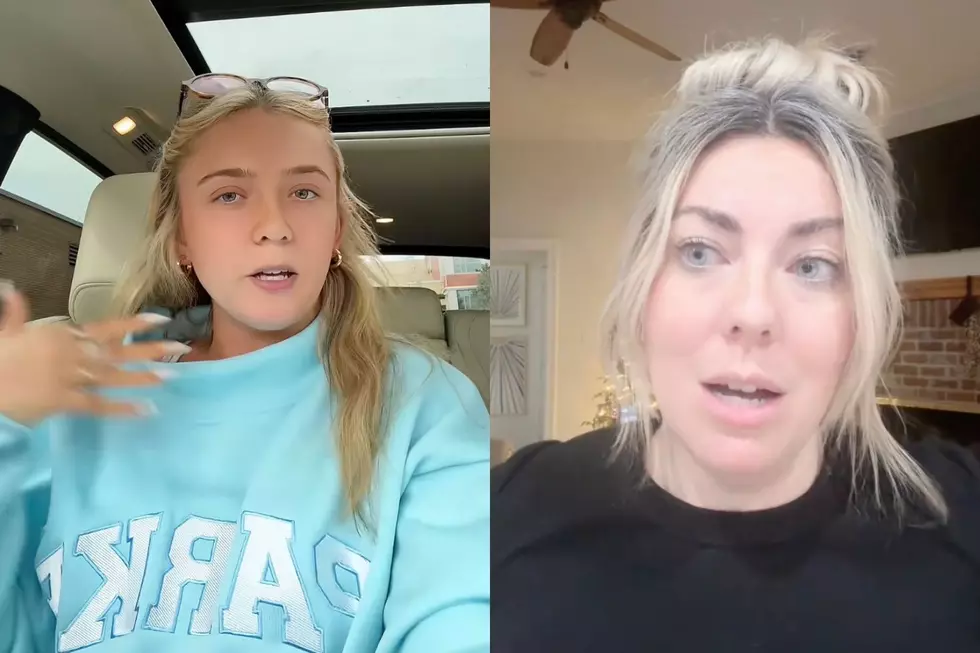
Baton Rouge Coffee Shop Gets Unexpected Support After Influencer Drama
A popular Baton Rouge coffee shop is receiving an outpouring of support after its owner refused service to a local influencer who had previously posted multiple negative reviews of the business. But the controversy surrounding Pura Vida Coffee Bar has become much bigger than a subjective opinion over coffee and pastries.
Like many people, I first learned about Pura Vida through a bad review. Actually, multiple bad reviews from a Baton Rouge content creator named Fabian.
Before going any further, I have no interest in encouraging anyone to seek out her social media pages to harass or insult her. How hypocritical would it be for me to use my platform to attack someone simply because I disagree with how they used theirs?
a
Because this story isn't really about Fabian. It's about a growing conversation surrounding influencers, small businesses, and the responsibility that comes with having an audience.
How Pura Vida Became the Center of a Viral Controversy
For years in the digital space, local businesses primarily worried about Google reviews, Facebook recommendations, and the occasional unhappy customer sharing their experience online. Today, anyone with a smartphone can walk into a business, film their experience, and share an opinion with potentially thousands or even millions of people.
Nothing wrong with that. But what happens when someone returns a second time, posts another harsh review, and then comes back for a third visit?
That's essentially what happened at Pura Vida Coffee Bar near LSU.
According to co-owner Victoria Arroyo, Fabian had previously shared critical videos about the coffee shop's food, drinks, and prices, including one clip showing her throwing away a muffin. Arroyo also claimed Fabian never brought those concerns directly to management or gave employees an opportunity to address them.
When Fabian returned last week on November 19 with a friend who allegedly wanted to visit, Arroyo recognized her and refused to serve her.
Fabian shared her version of the encounter online, describing an embarrassing experience and suggesting the situation should have been handled privately.
Arroyo responded with a video explaining that she knew refusing service might generate negative publicity, but serving someone who had already publicly criticized her business twice carried that same risk.
Rather than potentially subject her products to another unfavorable viral review, she decided not to participate.
Fabian maintained that her criticism was intended to help the business improve and even suggested the owner could have offered complimentary products for an opportunity to make a more favorable video.
That last part is where I have questions. Since when does an unfavorable review create an obligation for a business to offer free products or special treatment?
The Internet Responds, but Let's Be Fair About That, Too
What happened next was fascinating. Other influencers began sharing the controversy, some visiting Pura Vida themselves and posting glowing reviews of the coffee, pastries, and atmosphere. The business attracted widespread online support, with people expressing interest in visiting specifically because of the owner's response.
But here's something we shouldn't ignore: The algorithm doesn't suddenly become more noble just because the content is positive.
Let's not pretend every creator rushing to Pura Vida right now is doing it solely out of love for small businesses. This is a trending story, and the algorithm is rewarding content about it. Being the person who shows up to praise a business everyone is currently rallying behind can generate just as much engagement as being the person who criticized it in the first place.
That doesn't make those positive experiences dishonest, but it does raise an interesting question that will take us through the rest of what I'm about to share.
After Nearly 25 Years Behind a Microphone, Here's What I've Learned
I want to offer some perspective because this conversation hits close to home.
For nearly 25 years, I've made a living doing something some people now describe as being an "original influencer." Radio personalities have spent decades recommending music, discussing trending stories, endorsing businesses, creating videos, and broadcasting live from locations throughout our communities. We were doing our own versions of "come with me" long before anyone called it that.
And while I've spent a good portion of my career hopping on the radio and yapping for four hours a day, five days a week, I'd argue that I've listened and learned far more than I've spoken.
That's something I'm incredibly grateful for. I've been fortunate to have a community and an audience that holds me accountable, challenges my perspective, and has helped me grow not only as a broadcaster but as a human being. This job has given me the privilege of hearing from people representing just about every walk of life, from every corner of town, and understanding experiences I might never have encountered otherwise.
It's also taught me that having a microphone doesn't automatically make me right, and having an audience comes with a responsibility I've never taken lightly.
I also want to be clear that I have absolutely no disdain for influencers or content creators. We regularly feature them on my morning show, collaborate on videos, and some have become close personal friends. There is LITERALLY room for everyone.
The issue isn't whether someone makes their living on TikTok or traditional media. It's how responsibly they use their influence.
Having Followers Doesn't Automatically Make You Right
One thing I've noticed in this rapidly changing media landscape is that some people confuse audience size with authority. Having more followers than someone doesn't automatically make your opinion more valuable, your behavior more acceptable, or your version of events more credible.
And it certainly doesn't mean a business owner has to agree with you.
Look at successful reviewers like Keith Lee, who has built an enormous audience while making community support and giving back part of his identity. Even brutally critical reviewers like Mr. Chimetime have demonstrated the value of communicating directly with restaurant owners about their experiences.
Nobody should be expected to praise a bad product, and legitimate negative reviews absolutely serve a purpose. But there's a difference between providing useful feedback and making a spectacle out of someone else's livelihood.
Think about what it takes to operate a small business in Louisiana. Whether it's a food truck, coffee shop, restaurant, or farmers market vendor, these people are dealing with rent, payroll, inventory, rising costs, and the pressure of keeping their doors open.
That doesn't make them immune from criticism, but it also doesn't mean they should be expected to quietly accept every interaction becoming content for someone else's social media page, especially when negativity can generate the kind of engagement that makes a video profitable.
And let's not pretend businesses are always innocent, either. We've all seen owners dismiss legitimate complaints or respond so poorly that they make a bad situation worse. Accountability has to go both ways.
Should Businesses Be Allowed to Refuse Service Over Bad Reviews?
We brought this conversation to the HOT 107.9 Facebook page, asking whether business owners should be able to refuse service to influencers or reviewers who repeatedly criticize their products.
It's a legitimate debate with reasonable arguments on both sides.
Allowing businesses to turn away customers simply for leaving negative reviews could discourage honest feedback and potentially allow bad business practices to go unchecked. On the other hand, should an owner be expected to repeatedly serve someone whose public criticism they believe has become unnecessarily disrespectful?
There's also a difference between what a business can legally do and what it should do. Refusing service is subject to legal limits, including protections against unlawful discrimination, but the larger question here is about respect, responsibility, and where those boundaries should exist.

When the Influencer Becomes the One Being Reviewed
Here's what I believe this controversy ultimately comes down to.
If you build a personal brand around publicly reviewing other people and businesses, you have to understand that the public can form opinions about you, too. Your content, your delivery (even your accent, lol), your professionalism, and the way you treat people can all become part of that conversation.
And once you put something out there, you don't necessarily get to decide which parts of the response should remain public and which should suddenly be handled privately.
That doesn't excuse harassment, threats, or personal attacks against Fabian or anyone else. There's absolutely no justification for that. But criticism of someone's public content isn't automatically harassment, either.
The same audience that helped build someone's influence has every right to question how that influence is being used.
I don't know Fabian personally, and I'm not interested in deciding what kind of person she is based on a handful of videos. I also don't know whether Pura Vida makes the best coffee in Baton Rouge. Maybe I'll find out for myself one day, as they seem to be making really good coffee out of lemons.
But I do know that as algorithms change and new creators enter the conversation daily, we're seeing just how quickly the attention economy can turn on itself.
Are all influencers irresponsible? Absolutely not. Are all local businesses perfect? Not even close. And are all the creators currently praising Pura Vida doing so purely out of the goodness of their hearts? I'd be naive to assume that, too.
But if we're going to celebrate the ability of everyday people to build platforms, influence purchasing decisions, and make money sharing their opinions, we also have to recognize the responsibility that comes with it.
Because influence is a two-way street, and sometimes the person doing the reviewing becomes the one getting reviewed.
LOOK: 50 Beloved Retail Chains That No Longer Exist
Gallery Credit: Madison Troyer